
How Property Taxes Work on New Construction Homes in Minnesota
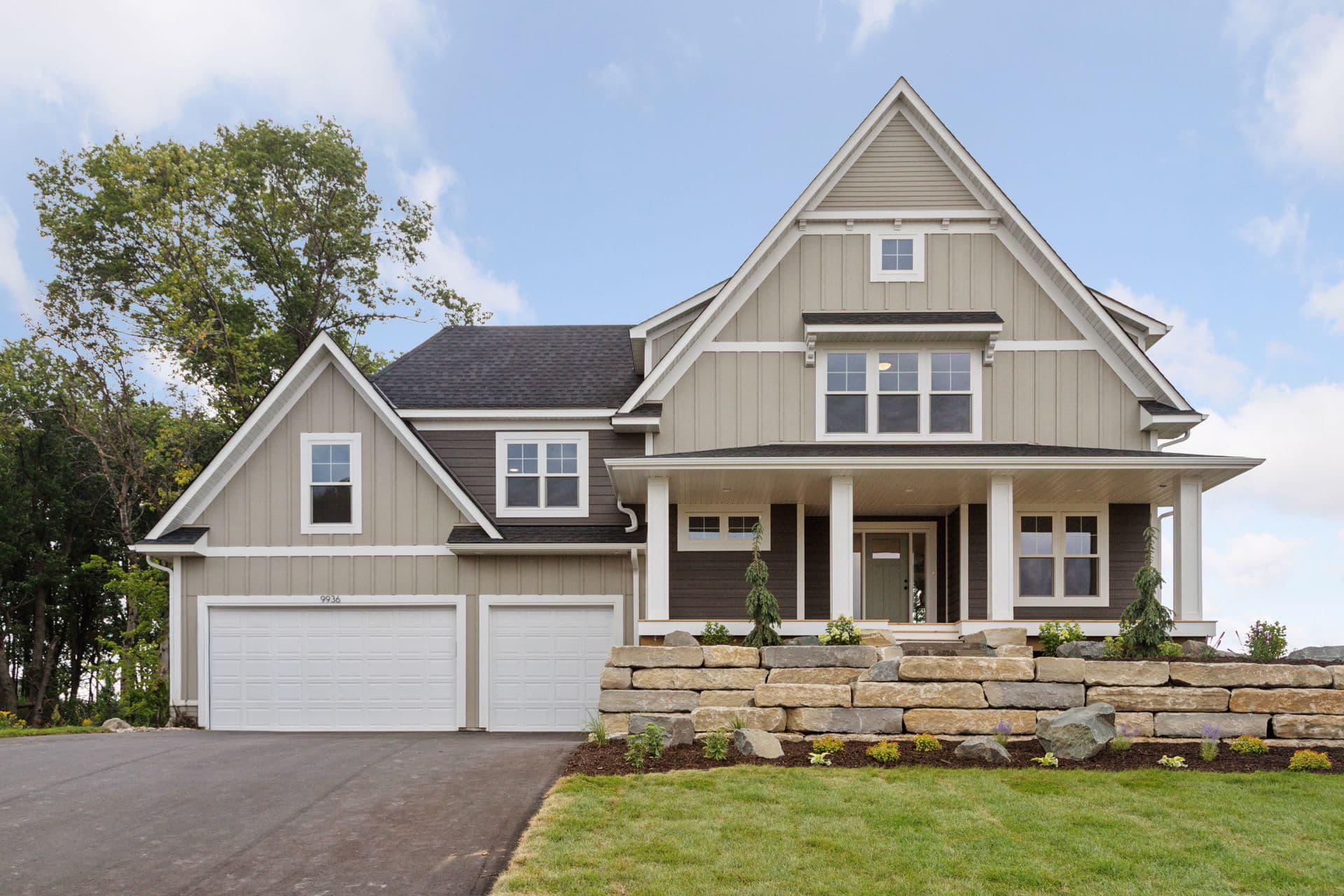
Too many new home buyers have experienced the same shock. Year 2 in the home kicks off, and suddenly their escrow payments shoot way up. But this spike is predictable, and it can be planned for if you understand the property tax adjustment timeline for new homes built in Minnesota.
In this blog, we’ll take you through how Minnesota’s tax code impacts new homes, and cover what you need to know to build an accurate budget. Because at Country Joe Homes, we never want our buyers to face any kind of sticker shock, especially with costs that can be easily anticipated and planned for.
The Minnesota Assessment Timeline: Land-Only vs. Improved Value
One of the most important dates on the Minnesota property tax calendar is January 2nd. This is when the Minnesota Department of Revenue and county assessors finalize property values each year. Improvements made to a property after this date will not be automatically reflected in subsequent monthly escrow payments until the next time January 2nd comes around.
For most new home builds, this means that for all or part of your first year in the home, your minimum required monthly escrow payments will be artificially low, because the estimated taxes included in that payment will only be calculated based on the value of the undeveloped land. But when January 2nd hits, the estimated market value (EMV) of the completed home will come into effect, raising the tax rate for the property according to the assessed value of your home.
If you don’t plan your budget to accommodate this, you may have a hard time covering your escrow payments after EMV goes into effect. Fortunately, the fix for this problem is pretty simple. All it takes is a little proactive planning with your lender. They can help you estimate the actual amount you will need to pay once ‘Year 2’ kicks off, and they may even be able to help you set up a prepay plan to help ensure your account is never left with a shortfall.
Understanding Special Assessments in New Construction Neighborhoods
Another way that your new construction home’s property taxes can increase is through the apportionment of special assessment costs. These costs may reflect maintenance or improvements made to your neighborhood’s shared resources, such as:
- Streets
- Sewers
- Parks
- Waterworks
- Signs
- Municipal utilities
They may also reflect the costs of mitigating certain hazards, like flooding. According to state law, these costs “may be assessed upon property benefited by the improvement, based upon the benefits received” (429.051).
Sometimes, some special assessment costs are assumed by the developer/seller of a new construction home. But in most cases, those costs will be the buyer’s responsibility. The exact details of how these costs will be distributed is laid out in each real estate contract.
For the costs assumed by the buyer, these can usually either be paid upfront or levied separately on future property tax statements. When paid up front, they’re often rolled into the price of the lot. When paid over time, interest will accrue on those costs, usually on an annual basis such as is specified on page 23 of the Inver Grove Heights Special Assessment Policy.
Minnesota Homestead Market Value Exclusion & Deadlines
Alright. So far, we’ve just talked about costs faced by a buyer. But Minnesota also has a number of tax breaks and exclusions that can ease a buyer’s financial burden, such as the Homestead Market Value Exclusion. This exclusion reduces the taxable value of your home in the eyes of the tax man. For homes worth $95,000 or less, the exclusion covers 40% of the home’s value up to $38,000. Then, the exclusion decreases as a home’s value increases, up to $525,000.
To qualify for this exclusion, you need to register your property as a homestead, aka the primary residence that you both own and occupy. This requires submitting an application to the county assessor no later than December 31st following your move in date. If you’re moving into Minnesota from out of state and not yet registered as a Minnesota resident, you may need to work with the county assessor to supply additional documentation to prove your residency.
How to Estimate Your Future Property Taxes Before You Build
If you want to estimate your specific future tax rate before you build, then you’ll need to know a few facts about the community you’re looking to build in. Specifically you’ll need to know which county, city, and school district your parcel will sit within, as each of these municipalities will have their own levies. Fortunately for folks building in the Twin Cities South Metro, Dakota County provides an estimation tool that lets you simply enter this information in, then does the calculating for you.
Plan Ahead for Financial Peace of Mind
Proactive tax planning is the best way to ensure your first two years of new home ownership in Minnesota are predictably affordable. If you want more information on a specific property, please never hesitate to reach out to our Country Joe Homes team. We’re happy to offer guidance on lot pricing and provide special assessment breakdowns for any and all of our South Metro neighborhoods.
Local experts –
for your new home.
