
What is a Lot Premium in New Construction? How the Lot Affects Home Price
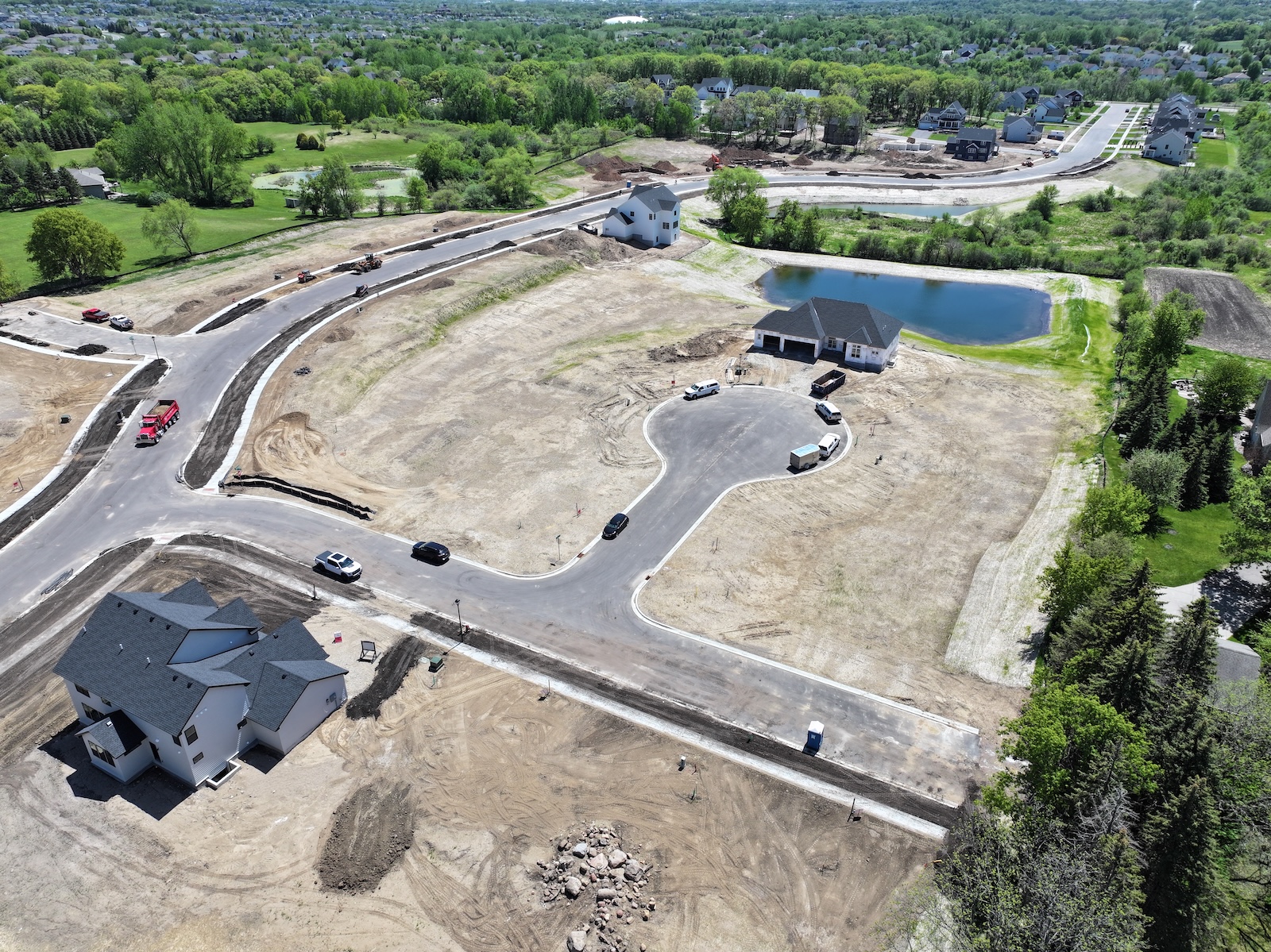
The advertised price of a new build is rarely the final price. This is due, in large part, to the fact that the base price does not factor in any of the specific costs associated with an individual lot. Most lots come with some kind of lot premium (aka homesite premium), which is an additional cost above the developer’s base price that reflects the premium features the lot has to offer. In this blog, we’ll explain how that premium is calculated, and why homebuilders charge it.
The Bottom Line: You aren't just paying for the physical structure of the home. You’re also paying for its location and whatever site preparation is needed to make that location buildable.
Why Do Builders Charge Lot Premiums?
There are numerous factors that go into determining an individual lot premium.
- Acquisition cost: Lot premiums enable developers to recoup the cost of purchasing the land for development.
- Engineering cost: Every lot requires varying degrees of clearing, leveling, utility trenching, and/or remediation.
- Pace-of-sales control: Builders will sometimes raise or lower premiums in response to market conditions to support a stable, steady workload.
- Desirability: Certain lots have particularly desirable features which raise the perceived market value of the home that’s built there, and lot premiums help a builder account for that heightened value.
Top Factors That Impact a Lot Premium
While there are many answers as to ‘why’ a lot premium is being charged, not all of those answers are equally common or raise the value by an equal amount. To understand why side-by-side lots may have very different premiums, you also need to understand which factors impact premiums the most.
1. Lot Size & Shape
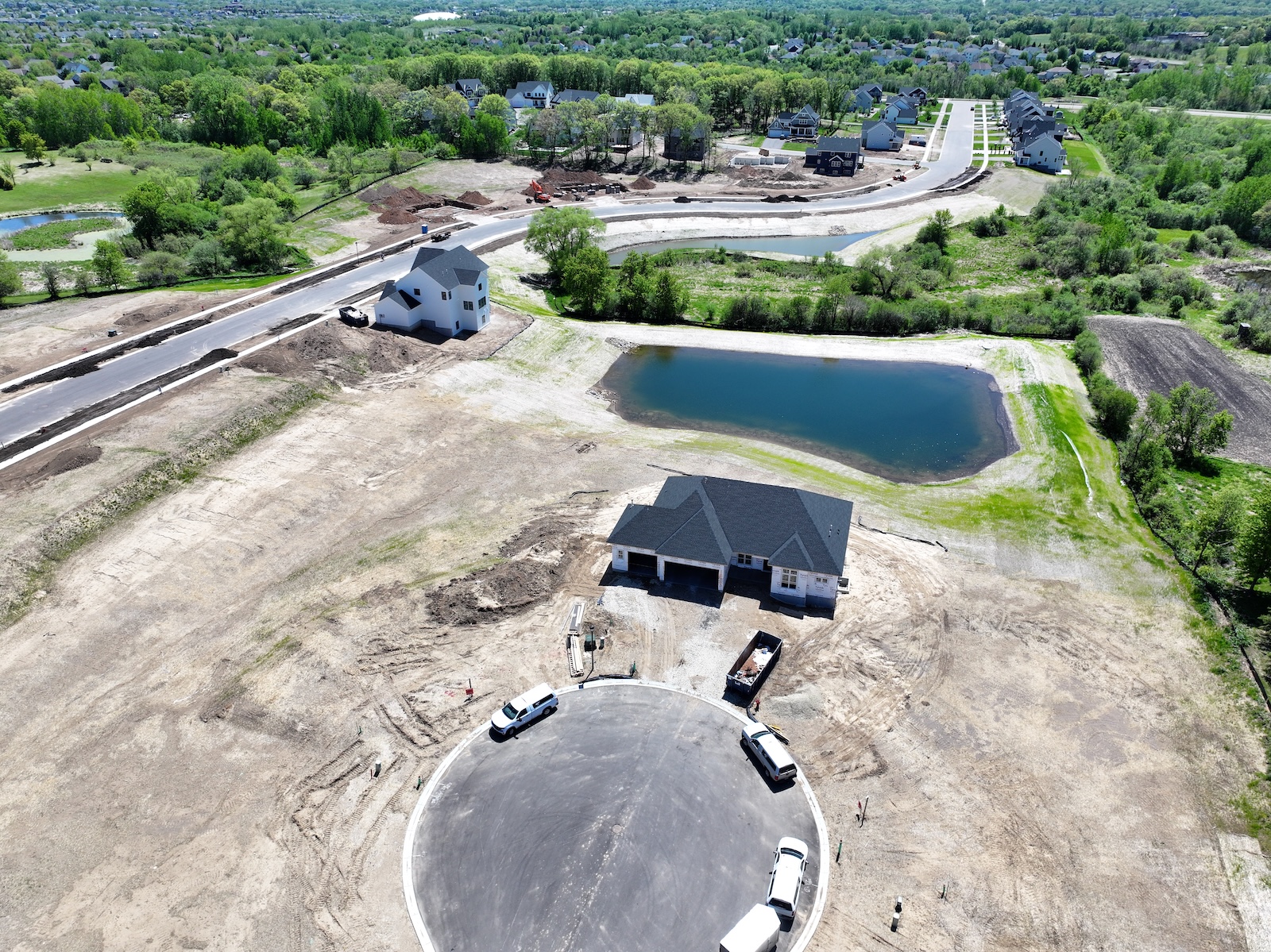
Size and shape are perhaps the most obvious major factors at play. Pie-shaped lots, where the front of the lot is narrower than the back, can be particularly desirable due to the extensive backyards they offer. Lots with wider frontages can also run a premium, since they lend themselves to homes with superior curb appeal. But the bottom line is this: any lot with more acreage than the developer’s base lots is all but guaranteed to come with some sort of premium to account for that extra land.
2. Topography & Foundation Potential
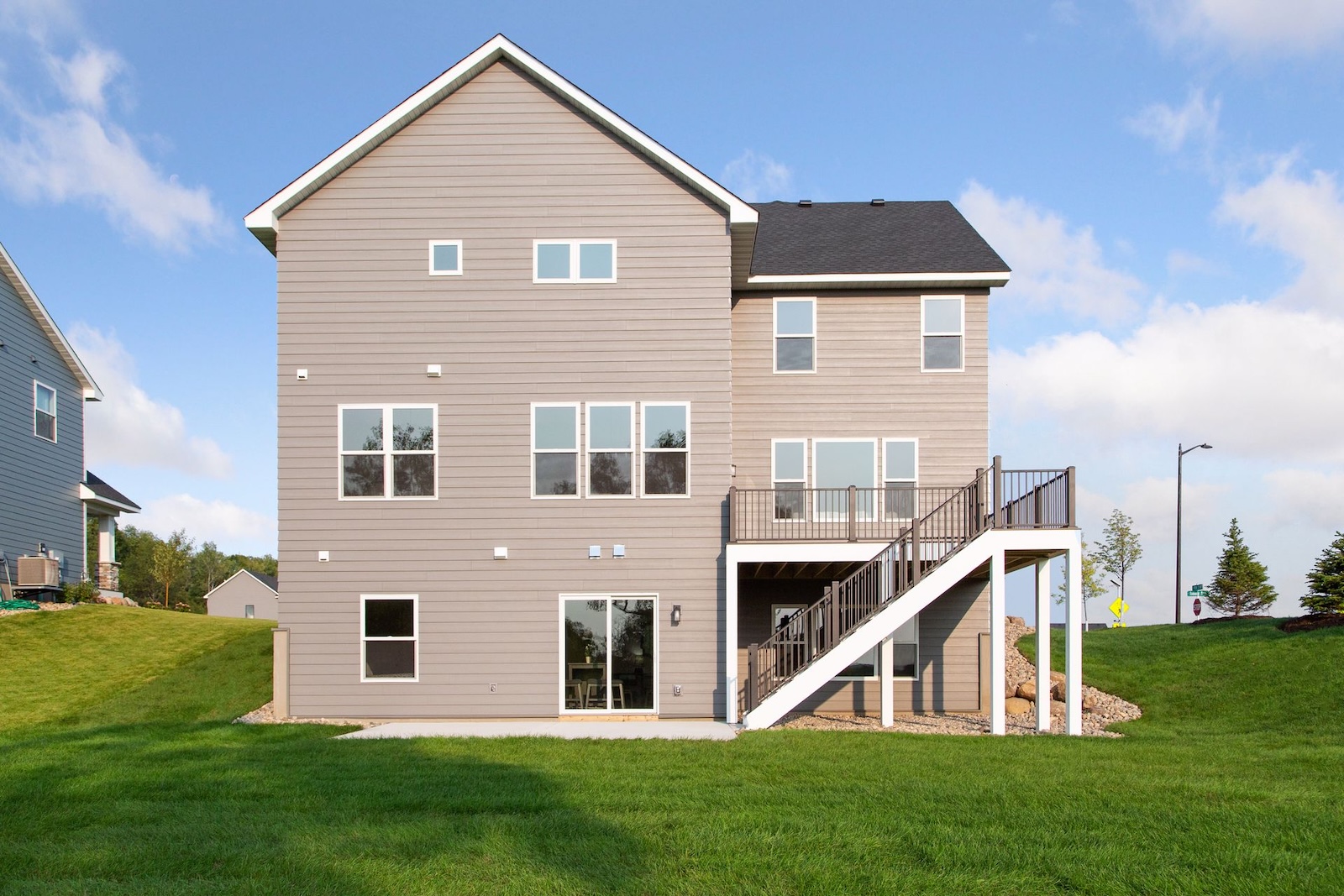
Some desirable home features are only possible on certain lots. Walkout and lookout basements, for example, require a substantial topography difference within the lot. These kinds of basements are hugely popular in Minnesota and the wider Midwest, since they can turn a traditionally dark, utilitarian space into something much more versatile and comfortable. This popularity means that lots that can accommodate them command a higher premium.
3. Scenery & Privacy
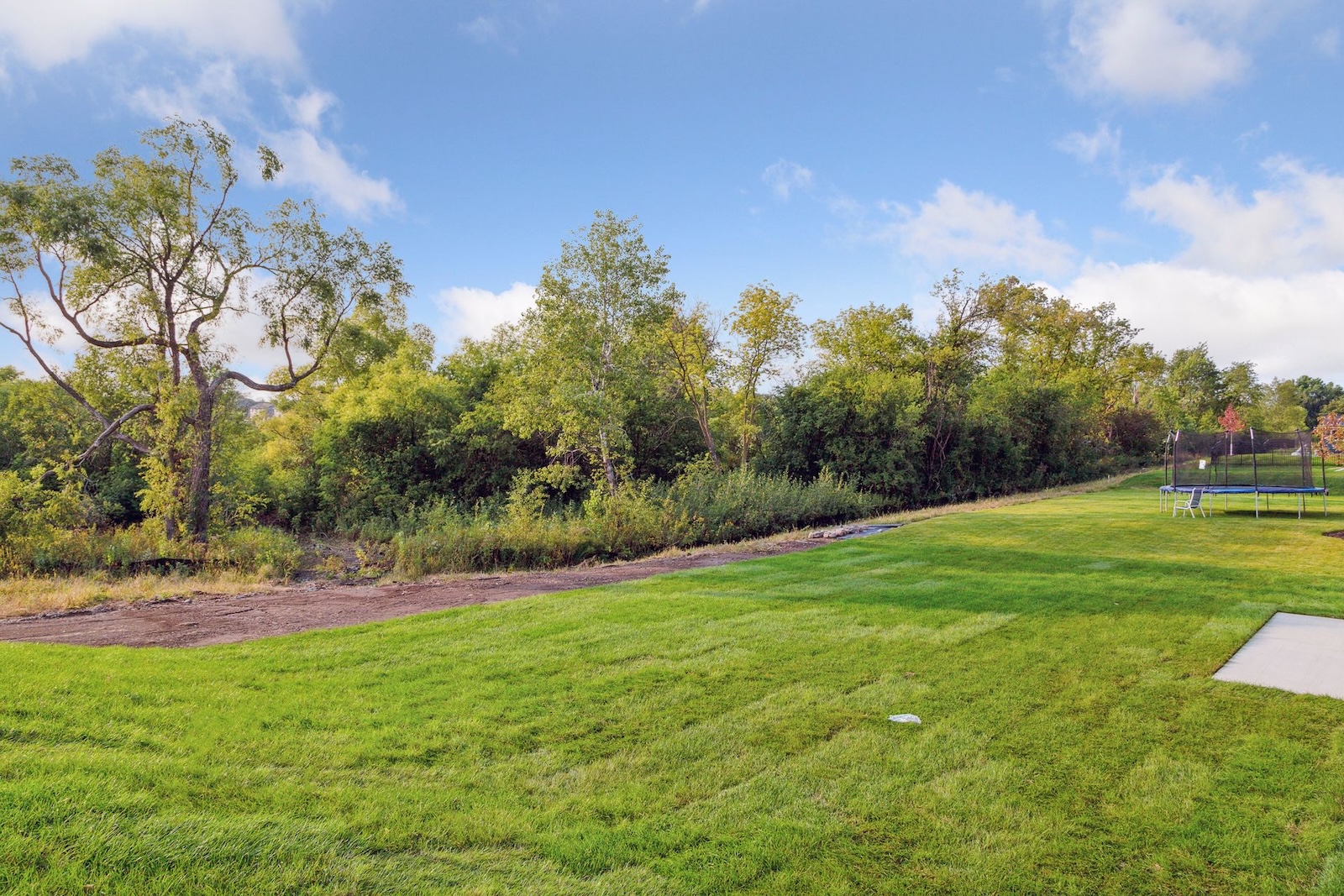
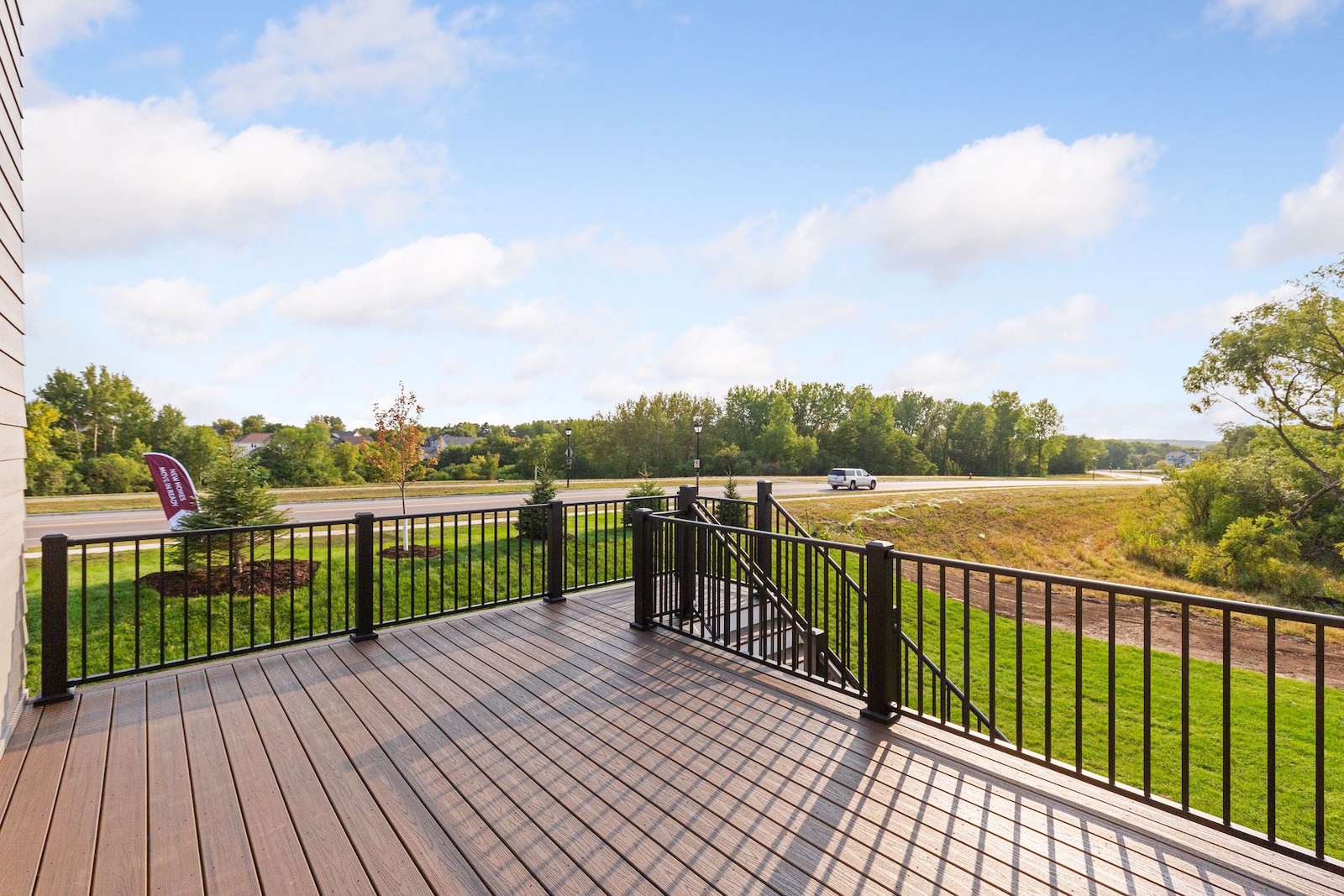
Especially in new developments where the landscaping hasn’t yet matured, natural privacy features become particularly valuable. Houses that back up into or face woodlands, undeveloped greenspaces, wetlands, or waterways ensure you won’t have to contend with much noise or traffic from that direction, at least for the foreseeable future.
4. Neighborhood Location
The position of a lot relative to desirable infrastructure and amenities can have a big impact on how in-demand it is. Such features include:
- Cul-de-sacs: Lots on these dead-end streets are prized for their low traffic, which makes them quieter and safer for kids at play.
- Corner lots: A corner lot often comes with more land and design flexibility. But they also require more sidewalk maintenance during Minnesota winters. So the builder needs to strike a careful balance when setting their premiums.
- Proximity to Amenities: Lots that are very close to shopping and services may be convenient, but they can also be exposed to more noise and traffic. Conversely, lots that are miles away from these commercial areas are less convenient, but generally more peaceful. How a builder balances these factors may change depending on demand. But generally speaking, lots that offer a sweet spot of easy walking to amenities without direct exposure to excess traffic are going to have the highest location-driven premiums.
5. North-facing vs. South-facing
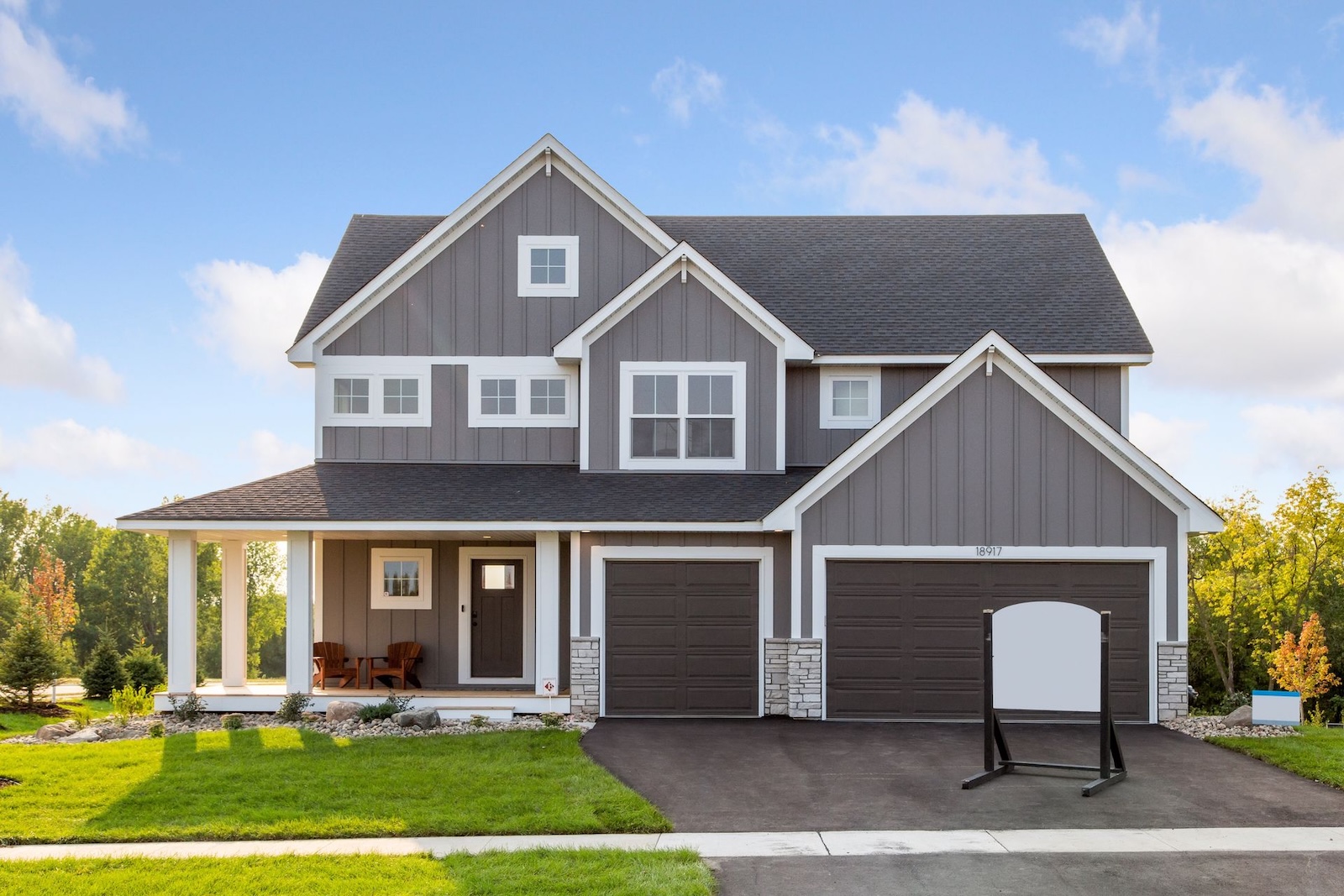
In the Northern Hemisphere, the sun cuts its path across the southern half of the sky. This means south-facing areas enjoy more natural sunlight and faster snow melt. It’s a small detail that can have a meaningful impact on a homeowner’s experience, and it often drives premiums up for lots with south-facing driveways.
Regional Impacts: Lot Premiums in Minnesota & Cold-Climate Markets
Before we move on, let’s circle back to some of the Minnesota-specific impacts that we touched on above. If you’re building in this state, it’s important to know that these specific features may drive up lot premiums even more here than they would elsewhere.
- The Walkout Basement Premium: Minnesota buyers often pay $20,000–$50,000+ more for walkout lots. The added natural light, additional livable square footage, and minimized grade drainage issues all help contribute to the perceived value of this feature.
- Ponds, Wetlands & Conservation Buffer Lots: Minnesota is the land of 10,000 lakes, and the vast majority of those lakes are protected. The same goes for most of our ponds and wetlands. That protection ensures that lots with backyards abutting one of these waterways have a strong guarantee against any neighbors popping up directly behind them. That’s why, in Twin Cities sub-markets such as Lakeville, Woodbury, or Blaine, these kinds of lots come with what’s colloquially referred to as "no-rear-neighbor" premiums.
- Orientation & Winter Logistics: A south-facing driveway is easier to maintain in snowy Minnesota, since the sun will melt the snow and ice more quickly. And anything that reduces shoveling is worth its weight in gold around here, a fact that’s often reflected in the premium.
The Appraisal Pitfall: What Reddit & Forums Reveal That Many Builders Won't
The biggest risk homeowners should consider before accepting a lot premium is whether or not an appraiser will value the final property as highly as the builder did. If there’s a gap between the final appraisal and the total price tag for the property, a larger down payment will be required to cover that gap.
It’s important for homeowners to ask themselves how much a lot’s premium features will impact their personal enjoyment of their property, regardless of how much they raise the assessed market value. Then, if you determine that the premium is a personally worthwhile investment, a buffer needs to be built into your budget to ensure that your down payment will be sufficient to cover any difference between the appraisal and the cost, plus your desired percentage of the home’s appraised value.
How to Evaluate if a Lot Premium Is "Worth It"
Generally speaking, premium lot features tend to hold their value better than premium interior upgrades. After all, it’s not so difficult to change out kitchen cabinets or carpets at a later date. But you can’t really move the house itself.
However, it’s important to consider which premium features offer the best long-term resale value. In Minnesota, cul-de-sacs, scenic views, and walkout basements typically continue to demand top dollar. But some other features, including minor differences in backyard square footage, don’t hold on to their value as strongly during resale.
Finally, it’s also important to consider the ongoing resource costs associated with a lot’s premiums, if any. A corner lot requires more sidewalk shoveling, for example, while a larger lot requires more time, effort, and money spent on lawn care. And a walkout lot, while highly desirable, will also likely require a substantial retaining wall, which can be costly to keep up, repair, or replace in the future.
Can You Negotiate a Lot Premium?
Yes, you can often negotiate a lot premium with a builder. But how much you can negotiate depends heavily on how far along the subdivision is in its development.
In the early phase, before the first home has been built, builders are under a lot of pressure to put up good pre-sale numbers. This may make it easier to negotiate down a lot premium if the developer is trying to hit an ambitious early home sales target.
The middle phase of development is often the hardest time to negotiate with a builder. This is usually when construction has hit its stride, with a steady stream of interested buyers looking over a wide range of lots on offer. Builders feel more confident holding the line on a higher premium, since there’s still a very good chance that someone else will come along during this phase who’s willing to pay their asking price.
In the late phase, negotiating power starts tipping back towards the buyer. This is because there are costs associated with every unsold lot a builder continues to carry in their portfolio. They may even be sitting on high-premium lots that also have some minor drawbacks or quirks which drove other buyers to other lots. These premiums may be much easier to negotiate down when builders are down to their last few lots. However, bear in mind that those quirks will still need to be contended with in the end.
Questions to Ask to a Builder
To wrap things up, here are five questions every buyer should ask their builder before signing off on a lot premium. With the answers to these questions in hand, you’ll be in good shape to make a smart decision on whether to lock in or keep looking:
- How was this specific lot’s premium determined?
- What unique costs are associated with prepping this lot before building?
- How will my home be oriented on this lot? Will the driveway/backyard be north- or south-facing?
- What are the future development plans/restrictions for the adjacent lots and wider area?
- What home features, if any, are prohibited by the size/shape/location of this lot?
Our portfolio of lots has something for everyone, including walkout lots, scenic views, and convenient walking distances to shops and amenities. Browse our selection or reach out to our team to get started on building with Country Joe Homes today.
Local experts –
for your new home.
