
When Is The Best Month to Start Building a New Home in Minnesota?
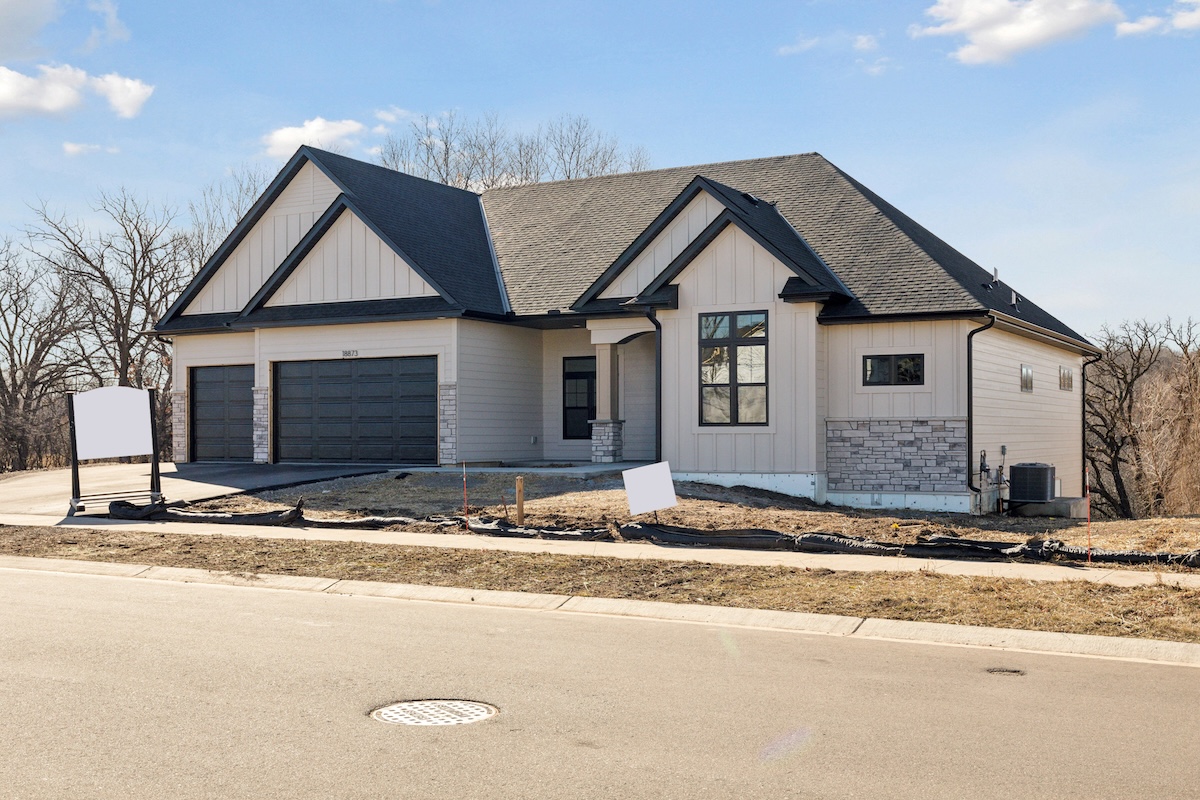
Semi-custom homes are prized, in part, for being faster to build than fully custom homes. But determining exactly when your home will be completed depends on a few different factors. Of course the size and complexity of the project will play a part. But in Minnesota, where weather is king, the final move-in date is most dependent on which season you choose to start building in.
In this blog, we’ll break down the pros and cons of spring, summer, fall, and winter starts, and help you decide which is the best for your move-in goals.
Key Takeaways
- Quick Spoiler: August/September is secretly the best start window.
- Spring starts are popular, but they can be hampered by spring load restrictions that limit the use of heavy machinery on many roads, virtually halting earthwork and deliveries until restrictions are lifted.
- If you want a summer move-in, it’s best to start with that end date and work backwards to establish a realistic timeline, typically in the range of 6 to 10 months.
The Minnesota Calendar: Why Timing is Everything
Reality check: Building a home in Minnesota requires a lot of expertise and insider knowledge. And that’s not just because the weather is so unpredictable. Minnesota’s roads are subject to different weight restrictions, depending on the season. Our soil conditions also change drastically throughout the year. Failure to account for these nuances during construction is a recipe for delays and, potentially, damage..
Bearing that in mind, let’s next examine what starting construction in each season might look like for your project:
The Spring Start (March – May): The Traditional Choice
Conventional wisdom says that spring is the best season to break ground on a new home in Minnesota. The idea is that, with winters being so long, starting as soon as possible in the spring ensures the longest construction window possible. For semi-custom homes, a spring start gives you a good chance of being moved in and settled before the first blizzard hits.
However, spring can also pose challenges. For starters, once the ground begins to thaw, Minnesota’s spring load restrictions come into effect. These restrictions limit the weight of vehicles and equipment that can use public roadways. The start and duration of these limits are weather dependent, and once triggered, they may delay critical construction steps like excavation and material delivery.
Another challenge caused by the spring thaw is good old fashioned mud. Excavating, staging, and site grading all suffer as a site grows muddier. Delays are common and, in extreme cases, equipment or building components may be damaged.
The Summer Start (June – August): The High-Season Hustle
Summer weather is the most conducive to construction in Minnesota. Long daylight hours and dry soil make it easier to excavate, frame, and finish the home’s exterior. A summer start also ensures there’s ample time to get the roof on and the shell dried-in before winter hits.
On the other hand, summer is also peak season for construction. That means peak demand for labor and materials. Stiff competition can lead to seasonal cost surges, driving up your final build price.
The Fall Start (September – November): The Strategic Advantage
Many semi-custom home builders actually consider an early fall start to be the sweet spot. It’s the season where the soil is usually at its driest, making excavation as easy as it gets in this state. And with peak demand dying down, skilled labor and materials are easier to secure without having to pay through the nose.
This timeframe does require efficient execution to ensure the build is dried-in by December, though. That way the interior work can progress in a heated space, and everything will be done in time for a spring/summer move-in the following year.
The Winter Start (December – February): Is It Possible?
We’re including winter in this list because, technically, you can still start construction during this season in Minnesota. But the extra effort and expense of a winter start mean it’s really only advisable in rare cases, such as when you have a strict summer move in date, but the necessary subcontractors are completely unavailable for an earlier start window.
Winter excavation requires thawing the ground with specialized heaters, a time and energy intensive process. It also requires additives to be mixed into poured concrete. These will ensure the concrete doesn’t freeze before setting correctly.
Working Backward: When Do You Want the Keys?
Settling on your ideal move-in date can help you decide which season is right for your semi-custom home’s construction to start. Two of the most common move-in windows we get from clients include:
- The "Back-to-School" Move-In - Best to start around October in the year prior to the school year you’re targeting. You can take advantage of fall’s reduced competition for labor and materials, and your home will most likely be ready in time to let you settle in before classes start.
- The "Summer BBQ" Move-In - To mark your move-in with a summertime celebration, your safest bet is to begin construction between late summer and late fall the year prior. You’ll be able to avoid peak prices, and interior work can continue throughout winter so everything’s ready to go by the time summer swings back around.
The Country Joe Recommendation
In our opinion, September may just be the perfect month to break ground for a semi-custom home. That late summer/early fall window offers an ideal balance of efficiency and flexibility, and sets our clients up for an optimal move-in experience as the weather warms. That being said, your needs as the homebuyer come first, and we’ll work with you to pick the start time that best suits your circumstances. Reach out to our team today to get that conversation started!
Local experts –
for your new home.
